Miracle eyes
My story of vision impairment and restoring my sight

As a writer, I love to read and as a reader, I love to write. Like two sides of the same coin, reading and writing are interdependent for me: the more I read, I want to write; the more I write, I want to read. But when my eyesight took a sharp turn for the worse last year, my two great loves began to slip away from me.
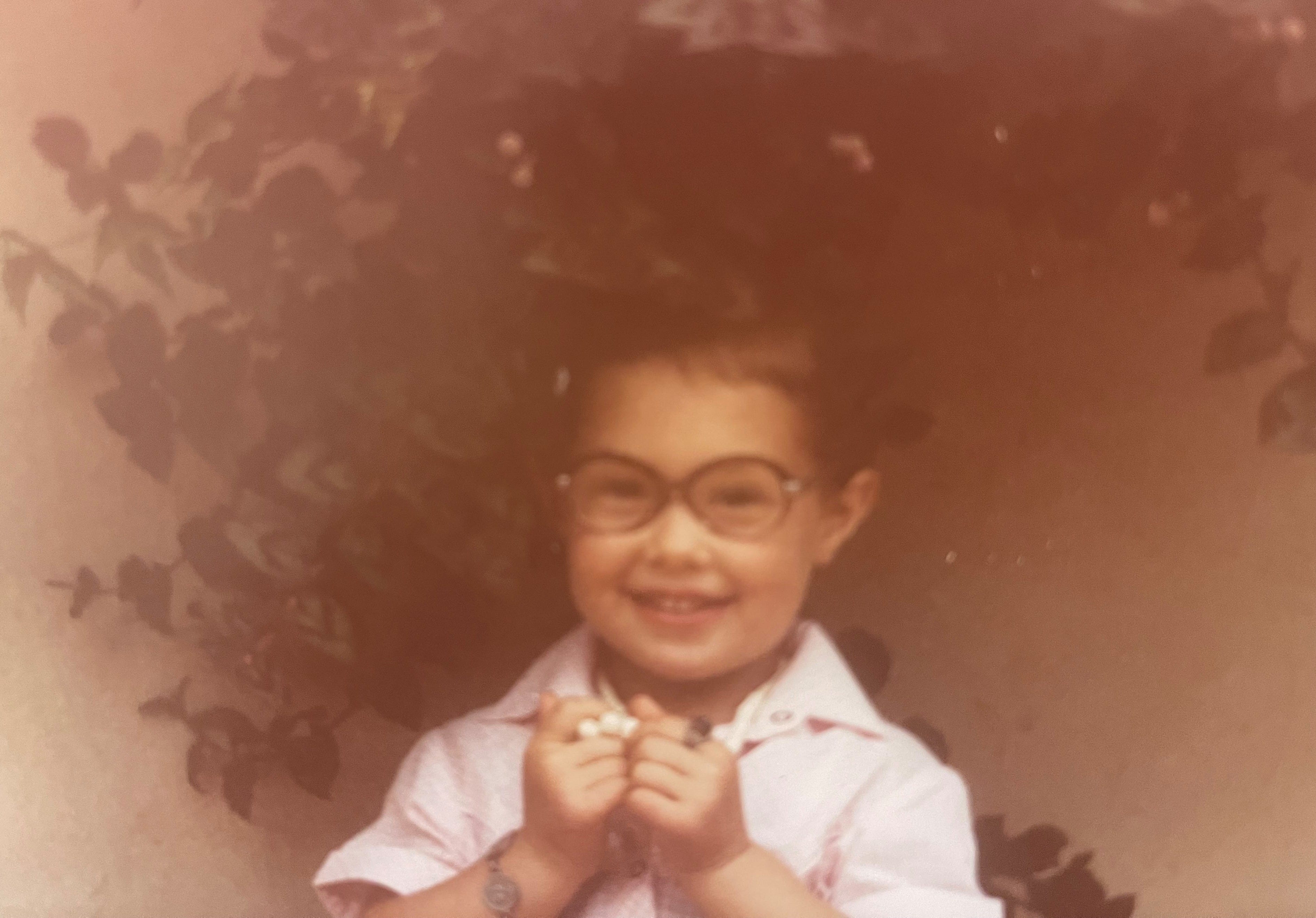
My vision has been impaired since I was a baby, and my mother noticed I had a squint. By the age of two I was wearing glasses and within five years my myopia and astigmatism had progressed so rapidly I couldn’t see anything without them. I never enjoyed swimming for this reason and wearing glasses wasn’t allowed for ballet exams and concerts, so I learnt to dance by feel in front of faceless examiners and audiences. Fortunately, I only once fell off the stage during a rehearsal.
Transitioning to contact lenses at the age of 11 was life changing. In the early 90s, contact lens technology was still in its infancy and sourcing them was difficult. I spent hours before and after school with father and son optometrists, Donald and Damon Ezekiel, who also operated Western Australia’s only contact lens manufacturing facility.
They trialled me on hard lenses which hurt and frequently fell out, before making me a pair of soft lenses. Because of my high prescription, they were thick and often irritating, and unlike disposable contact lenses available today, they took weeks to make, were expensive to replace and had to be sent away monthly for deep cleaning. Although they weren’t perfect, it was far better than wearing cumbersome glasses in my teens. And as advances were made, my optometrists were able to source more suitable lenses as I moved through my 20s and 30s.
For over a decade, my optometrist Simon Hogan has kept close tabs on my eyes, along with Perth’s Lions Eye Institute. I’ve been monitored for macular degeneration and retinal detachment, and because I take an immunosuppressant for Lupus, which can also affect peripheral vision.
Although my eyes are in good health despite their severity, my -15 prescription precludes me from having conventional laser surgery. And with my prescription inching higher into my forties, my contact lens options had become very limited. Then last year I found myself in a predicament when my eyes began to reject contact lenses. With deteriorating near vision, I lost confidence driving at night. Then I stopped playing tennis as I couldn’t see the ball and I needed captions to watch movies. With my eyes working overtime and constantly straining to see, fatigue and headaches set in.
I resorted to wearing my weighty glasses most of the time. Unread books began piling up next to my bed. I turned to podcasts, audiobooks and the less taxing option of scrolling on my phone. While I continued to attend my writers’ group, I felt less connected to my writing and wondered if it was linked to my lack of reading.
Around this time, I bumped into ophthalmic surgeon Tom Cunneen at a mutual friend’s 40th birthday party. Standing at the edge of the dance floor nursing a strong limoncello spritz, I confided in Tom that I’d recently seen an ophthalmologist who declined to operate on my eyes due to high risk, and that I was resigned to living with poor sight.
“Book an appointment with me,” Tom said above the music. “There’s a good chance I can help you.” A few months later I was having my eyes examined and measured in his West Perth clinic. Tom ruled out intraocular lens replacement surgery, which like cataract surgery involves replacing the eye’s natural lens, as this would risk destabilising my eyes.
Instead, he recommended implantable collamer lens surgery which involves inserting a Phakic lens within the eye under a general anaesthetic. Like all surgeries, there were risks and financial costs to consider. I was flummoxed to learn there is no Medicare rebate for ICL surgery because it’s classified as cosmetic and is typically performed on people with higher prescriptions, for whom contact lenses are also an option.
As I no longer had this option, ICL surgery was the only viable solution for me. And with my eyesight becoming more intolerable by the day, I went ahead with the surgery earlier this year. It was quick, the downtime was minimal, and the result exceeded my expectations. I only wish this surgery was more affordable for people in my situation, and hope that sharing my story might help make this possible.
Being able to see clearly without any aids for the first time in my life is a miraculous and liberating gift. Only now that I have the best vision I’ve ever had, do I fully appreciate how debilitating it was to live with poor vision and discomfort, and how much it was affecting my quality of life.
I’m eternally grateful to Tom for having the skills and determination to find a solution for my complex eyes. My headaches are gone and I’m driving with confidence. I can swim and run and play tennis again. And I can see the tiny freckles on my son’s face when he wakes me with a kiss on the cheek each morning.
I will never take any of these small liberties for granted. And to my joy and relief, along with my eyesight, my love of reading and writing has been fully restored.